


Beyond Aesthetics: How Office Design Impacts Productivity and Employee Well-being
- Aya Design in Style

- Feb 17, 2025
- 2 min read

In today’s fast-paced business world, office design is no longer just about aesthetics, it’s a strategic tool that directly influences productivity, creativity, and employee well-being. The way a workspace is structured can enhance focus, reduce stress, and foster collaboration. Thoughtful office design considers elements such as lighting, acoustics, ergonomics, and layout to create an environment where employees can thrive.
The Science of Workplace Design

Research shows that well-designed office spaces lead to improved employee satisfaction and efficiency. According to a study by the Leesman Index, 85% of employees believe their work environment is important to their productivity, yet only 57% feel their current workspace allows them to work effectively. This gap highlights the need for intentional design that prioritizes both function and comfort.
One of the key aspects of productive office design is ergonomics. A well-planned workspace with ergonomic furniture, adjustable chairs, sit-stand desks, and properly positioned monitors—can reduce physical strain, improve posture, and decrease fatigue. Sevil Peach, renowned for her human-centered approach to office interiors, emphasizes the importance of designing workspaces that support movement and flexibility. Her projects, such as the innovative head office for Vitra, focus on creating dynamic spaces that cater to various work styles and promote employee engagement.
Lighting and Acoustics: A Game-Changer for Productivity

Lighting is a fundamental yet often overlooked aspect of workplace design. Studies have shown that access to natural light improves mood, regulates circadian rhythms, and enhances focus. Offices designed with ample daylight exposure, such as those by Studio O+A, known for their work with major tech companies like Slack and Uber, demonstrate how smart lighting solutions can create environments that energize employees throughout the day. In addition to natural light, well-placed ambient and task lighting can reduce eye strain and increase alertness.
Acoustics also play a critical role in office performance. Open-plan offices, while great for collaboration, can sometimes be noisy and distracting. Thoughtful design elements like sound-absorbing panels, private focus areas, and strategically placed soft furnishings help control noise levels. Casework, a Portland-based design firm specializing in modern workspaces, integrates these elements seamlessly, creating environments that balance openness with privacy, ensuring employees have spaces that support deep focus as well as interaction.
Layout and the Future of Workplace Design
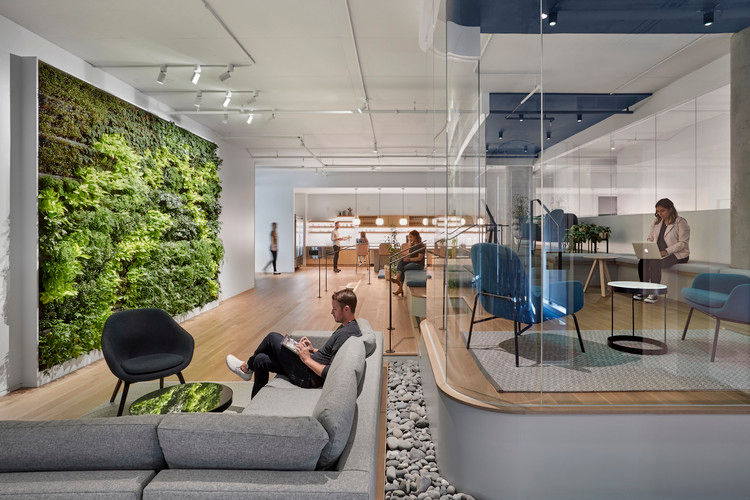
The way an office is laid out directly impacts how teams communicate and collaborate. Gone are the days of rigid cubicles, today’s most effective offices blend open areas with quiet zones, giving employees the autonomy to choose where they work best. Flexible layouts encourage movement, creativity, and well-being.

As companies continue to evolve, so does the concept of office design. At Aya Design in Style, we understand that a well-designed workplace is more than just a collection of desks, it’s a carefully curated environment that enhances productivity, fosters creativity, and improves overall well-being. Whether it’s integrating flexible workspaces, optimizing lighting and acoustics, or prioritizing ergonomic solutions, we are committed to crafting offices that work as hard as you do.
Looking to elevate your workspace in 2025? Let’s create an office that not only looks great but also inspires success. Get in touch to start your next project.


Comments